

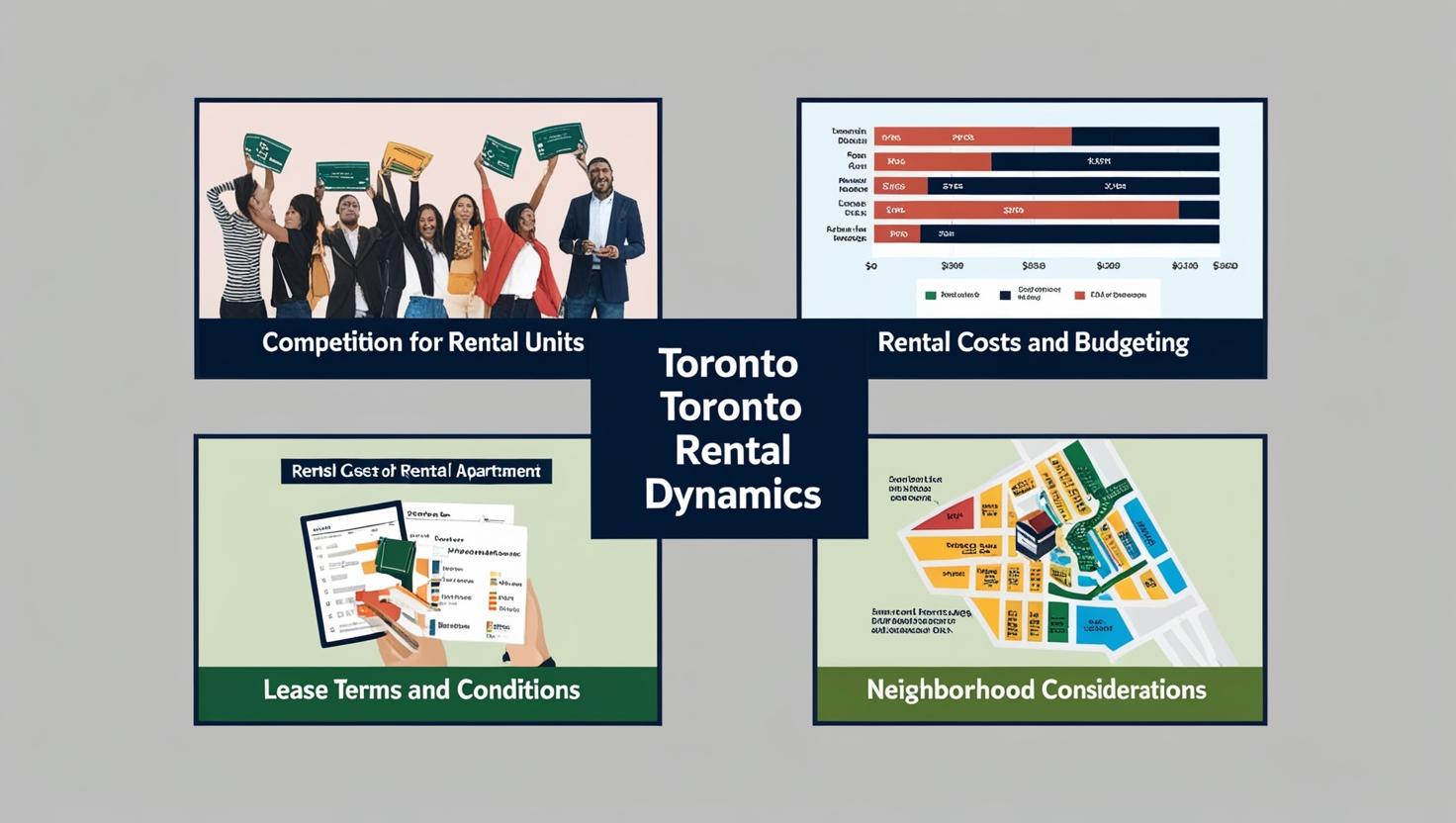
In 2025, Toronto’s rental market is undergoing significant shifts, reflecting broader changes in housing demand, economic conditions, and policy interventions. After several years of volatility during the pandemic and the subsequent recovery, the current rental landscape presents new challenges and opportunities for both investors and renters.
Several key trends are reshaping the GTA rental market:
- Increased Rental Demand: Driven by sustained immigration, delayed homeownership due to affordability challenges, and a growing population of young professionals and students, demand for rental units across Toronto remains extremely strong. Many first-time buyers are choosing to rent longer as interest rates, though decreasing, still keep mortgage payments high relative to incomes.
- Tight Rental Supply: Despite an uptick in purpose-built rental developments, the supply of available rental units remains critically low. Vacancy rates in Toronto have fallen below 2%, placing the city among the most competitive rental markets in North America. Limited new construction starts in the 2020-2023 period, combined with population growth, have exacerbated this shortage.
- Soaring Rental Prices: Average rental prices for one-bedroom and two-bedroom units have reached all-time highs in 2025. In downtown Toronto, one-bedroom units now commonly exceed $2,600 per month, while larger units in prime locations can command $3,500 or more. Suburban rental markets like Mississauga, Vaughan, and Markham are also seeing double-digit percentage increases year-over-year.
- Government Policy Changes: New rent control measures introduced in late 2024, which cap rent increases for tenants in certain types of units, have impacted investor decision-making. Some landlords are more cautious about purchasing new investment properties, concerned about capped returns, while others are adapting by focusing on new-build units exempt from older rent control rules.
- Shifts in Renter Preferences: In addition to affordability, lifestyle considerations are influencing rental choices. More renters are seeking properties with amenities like coworking spaces, outdoor areas, and proximity to transit hubs. There is also rising demand for mid-rise and boutique rental buildings over traditional high-rises, particularly among young families and remote workers.
- Rise of Short-Term Rental Regulation: Stricter enforcement of short-term rental regulations (such as Airbnb licensing) has pushed some units back into the long-term rental pool, slightly easing inventory in certain pockets of the city. However, the overall impact remains limited given the overwhelming population-driven demand.
Understanding these dynamics is critical for anyone navigating Toronto’s rental market in 2025:
- For investors, strategic property selection, tenant management, and awareness of evolving regulatory requirements are crucial to maintaining profitability and compliance.
- For renters, flexibility, early preparation, and realistic budgeting are key to securing suitable accommodations in a competitive environment.
Looking ahead, the GTA’s rental market is expected to remain tight through the remainder of 2025 and into 2026 unless there is a substantial increase in purpose-built rental developments or broader market cooling. Stakeholders should stay informed about policy shifts, construction trends, and demographic changes to better position themselves in this fast-moving sector.
Key Takeaway
Toronto’s rental market in 2025 is defined by strong demand, limited supply, rising prices, and evolving renter preferences. For investors, success will hinge on strategic property choices and adapting to regulatory changes. For renters, preparation, flexibility, and early action are essential to securing quality housing. As population growth continues to outpace supply, understanding rental market dynamics is more important than ever for navigating the GTA’s competitive landscape.
“Looking for expert advice on navigating Toronto’s 2025 rental market? Contact me today for personalized insights and opportunities.”